Identifying loneliness in occupational healthcare
Summary
- Talking about loneliness requires a sense of safety.
- Brief loneliness screening — Social health under review in occupational health.
- Workplace loneliness survey for more detailed information.
A sense of community and belonging are key factors in psychological well-being, job satisfaction and coping at work. Yet more and more employees experience workplace loneliness. Workplace loneliness is the feeling of being an outsider, isolated, or disconnected from others, even when physically present at the workplace.
Identifying loneliness in an atmosphere of safety
Workplace loneliness is not a personal failure but a human feeling that can arise from many everyday situations: remote work, task segregation, relationship challenges or cultural phenomena within the work community. Recognizing the experience of loneliness is important because it can:
- weaken work motivation and participation
- impair recovery, learning, and job satisfaction
- increase strain, exhaustion, and even the risk of illness.
Identifying workplace loneliness can be sensitive and time-consuming. Some employees want to be sure it is safe to talk about the topic before they are ready to be open.
In occupational healthcare it may feel more familiar and safer for a person to talk about depression, fatigue and anxiety. If depression or anxiety is caused by problems in social relationships or their absence, it is good to also bring up loneliness, for example with statements like these:
- “It sounds like you’re not getting enough support from your work community.”
- “It sounds like you don’t have anyone to talk to about the responsibility of your work and the strain you’re experiencing. That surely affects your mood and causes loneliness.”
Reflecting the experience back strengthens the employee’s sense of being seen and heard.
Read more
This content is part of the inclusive tools for a caring workplace. Find out more about our community engagement tools here:
You may also be interested in
When and where to get help?
Professional help
Professional help may be necessary when your own resources, self-help exercises and support from family and friends are not enough. A professional will listen and support you. The goal with professional help is to find new perspectives and ways to deal with a difficult situation.
You can seek help, for example, from
- occupational health services
- social and healthcare services in your wellbeing region (e.g., healthcare center)
How can MentalHub.fi help?
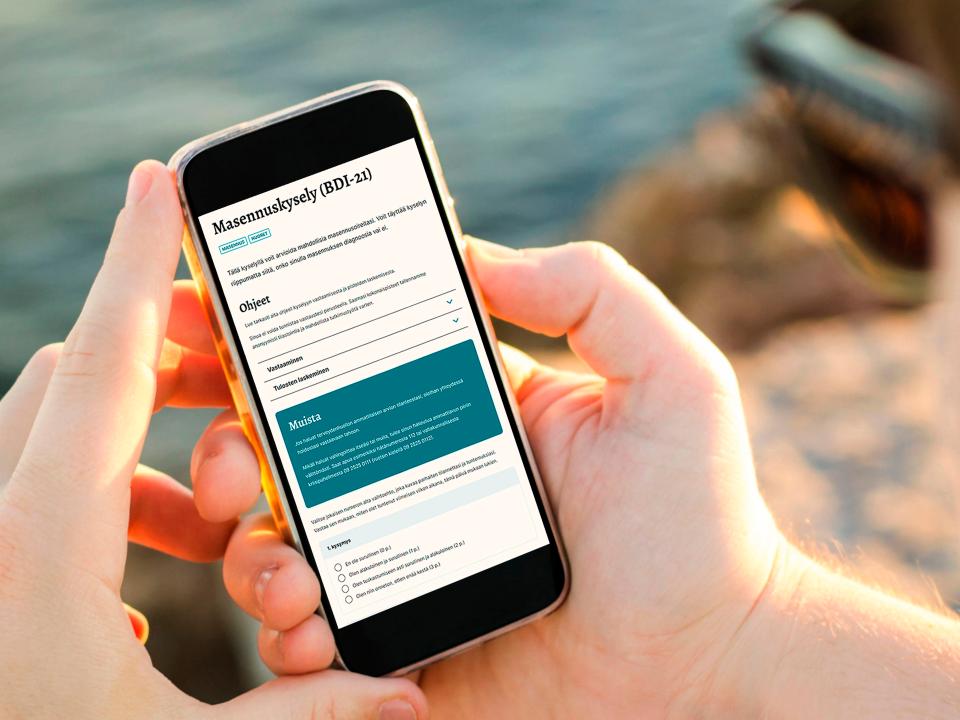
Symptom scales
With a symptom scale, you can assess the severity of your symptoms. You will also get tips from the results on what you should do next.
Self-help programs
Self-help programs help you improve your well-being when you are concerned about your mental health or have mild symptoms. The programs include information and exercises.

Internet Therapies
Mainly for ages 16 and up. You need a referral and online banking credentials.
Internet therapy is based on independent work online. A therapist specialized in your symptoms provides feedback on your exercises and answers questions that arise during them. You need a doctor’s referral for internet therapy. (currently in Finnish and Swedish)