A sense of community supports well-being at work
Summary
- Belonging to a work community means feeling accepted and an important part of the group.
- Community spirit increases motivation, commitment, and endurance at work.
- A reciprocal, respectful, and safe atmosphere encourages openness and creativity.
- The feeling of belonging strengthens the willingness to participate in the workplace and to take responsibility for shared work.
- Community spirit prevents loneliness and enhances the well-being of the entire organization.
On this page, you will find tips for increasing community spirit.
A sense of community means belonging to a work community where there is mutual respect, safety and cooperation. It does not happen by chance, but is built through daily interactions and activities.
Social relatedness as a basic psychological and social need
Social relatedness is at the heart of well-being at work: it gives meaning, motivation and strength to everyday life. According to self-determination theory, people feel well and are motivated to work and cooperate when three basic psychological needs are met:
- Autonomy: the experience of having agency and making meaningful choices for oneself.
- Competence: the experience of knowing and learning.
- Relatedness: feeling connected to others, and accepted as part of a team.
The social environment therefore strengthens what is called intrinsic motivation: the spontaneous desire to take action and contribute because of one's own interests, values and meaning. When you feel part of a team, the desire to participate, share and take responsibility increases.
What is belonging to a work community?
Everyone wants to be seen, heard and valued, not just for their performance but also just as a human being. An atmosphere of appreciation fosters safety, courage and confidence. It creates a space where people dare to be creative, imperfect and together more often.
In the video below (2:16), Maria talks about belonging to a work community and ways to overcome loneliness and help others.
A thriving work community
- Invests in building a sense of community, prevents workplace loneliness, and promotes well-being at work.
- Strengthens both individual and shared experiences of meaning and motivation.
- Creates a safe community where everyone can be themselves, achieve results and share positive moments.
A sense of community is not something extra at work. It is the foundation on which meaningful work and a good life are built. An individual can easily experiences workplace loneliness and exhaustion a sense of community is lacking. It could mean that they are left unsupported and that issues are left unaddressed in the work community.
Roles as part of belonging to a work community – understand how visible and invisible interactions function in the workplace
Belonging to a work community is not just about being part of an organization. It is the feeling of being seen, heard, and valued as oneself. Each of us influences this experience in our own way, and one key part of this process is the role we take on at work.
In working life each of us operates in many roles, both consciously and unconsciously. Roles guide how we position ourselves in relation to others and how others position themselves in relation to us. They shape our ways of being part of the community, engaging in different interactions and experiencing inclusion.
When we learn to recognize our own and others’ roles, we can increase understanding, reduce misunderstandings and loneliness, and strengthen a sense of community.
Social roles – the visible part of the work community
In working life, visible roles such as expert, supervisor, team member or customer service representative are clearly built around work structures and specific tasks. These roles help organize responsibilities and collaboration, but they can also narrow perspectives if clung to too tightly.
When roles are flexible and examined together, a community emerges inwhich different roles complement each other. Diversity is then seen as a strength, not as a threat. Everyone has space to act in their own way and showcase their expertise.
Psychological roles – a hidden layer of interaction
Our roles do not arise only from work structures but also from our own history and experiences. At work, we may unconsciously act in roles familiar from our childhoods: as caretakers, peacemakers, observers, or challengers.
When these psychological roles go unrecognized, they can cause recurring conflicts and misunderstandings. When they are identified and openly discussed, interactions can become more understanding and compassionate.
A sense of community grows when everyone can be visible as themselves and present themselves in an authentic way that goes beyond the workplace roles they usually adopt.
Early life experiences roles – a sense of safety within the community
Functioning in a work community can also evoke deep, bodily feelings in us that may be linked to early experiences that we had as a child.
If we have previously had to cope alone as a child, we may easily feel threatened or may withdraw when the environment changes. If we are used to pleasing others, we may forget our own boundaries.
A safe atmosphere in the work community helps ease these automatic reactions. When trust, respect, and the experience of being heard prevails, our bodies and nervous system can also calm down. This is at the heart of havine a sense of community: a safe community enables growth, learning, and authentic encounters.
Value-based roles – shared meaning and direction
In adulthood, value-based roles strengthen more: the desire to act according to values, to find meaning and to take responsibility for the common good. At work this appears as a willingness to do work that supports shared goals and in which everyone feels their contribution matters.
When a work community identifies and expresses its shared values, it strengthens belonging and trust. Acting in line with values creates meaning, motivation, and commitment. Acting in line with one's values makes visible what is important to everyone together.
Recognizing roles strengthens the sense of belonging
Roles in working life form a multi-layered whole that affects how we act and perceive each other. When we learn to recognize our roles—both visible and invisible—we can increase understanding, build bridges, and strengthen community spirit.
Becoming aware of roles means understanding them and adopting a more flexible way of acting. It helps us meet others more authentically and create a work community in which everyone can feel that: “I belong here, and my role is an important part of the whole.”
Tips for strengthening a sense of community and role awareness
- Pause and reflect on your own roles. Think about the roles you take on at work – which ones are intentional and which ones arise automatically? What strengths and challenges are linked to them?
- Make different roles visible in the team. Have a conversation together about team roles: who often takes the lead, who listens, who mediates issues, and who challenges? When these become visible, they can become more flexible and functional.
- Practice listening and shifting perspectives. Genuine listening strengthens the sense of safety. One example could be to try allowing each person in a group setting to speak for a moment without interruption while others listen.
- Ask and show interest. A simple question: “How are you today?” can increase the sense of belonging more than we realize. Interest in others’ everyday life builds trust and togetherness.
- Express values and meaning together. Discuss what matters to you as a team. Values and meaningfulness are not imposed from above; they emerge through interaction and show in everyday actions.
- Create space for humanity and imperfection. A work community in which you can fail, ask for help, and be half-finished is a community in which learning, trust and creativity thrive.
- Recognize your body’s signals and need for safety. If you notice yourself tensing up, withdrawing or automatically pleasing others, pause for a moment. Bodily reactions often reveal old roles that can be changed through awareness.
- Give feedback respectfully. Roles change and develop through feedback. Feedback that is honest and respectful strengthens community spirit and supports growth.
- Make shared moments meaningful. Everyday encounters, coffee breaks, workshops and conversations are not “extra time”; they are the glue that maintains trust and belonging.
- Remember, community is built through actions, not words. The feeling of belonging does not come from motivational speeches but comes from small, repeated actions in daily life. Each of us can influence today whether someone else feels they belong or not.
Read more
This content is part of the inclusive tools for a caring workplace. Find out more about our community engagement tools here:
You may also be interested in:
When and where to get help?
Professional help
Professional help may be necessary when your own resources, self-help exercises and support from family and friends are not enough. A professional will listen and support you. The goal with professional help is to find new perspectives and ways to deal with a difficult situation.
You can seek help, for example, from
- occupational health services
- social and healthcare services in your wellbeing region (e.g., healthcare center)
How can MentalHub.fi help?
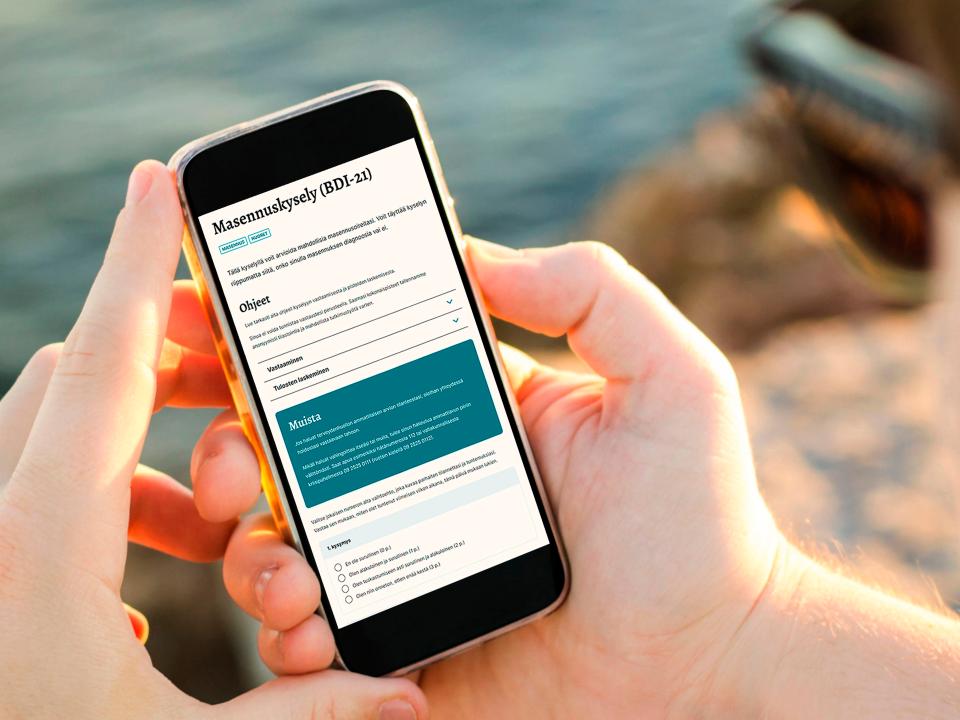
Symptom scales
With a symptom scale, you can assess the severity of your symptoms. You will also get tips from the results on what you should do next.
Self-help programs
Self-help programs help you improve your well-being when you are concerned about your mental health or have mild symptoms. The programs include information and exercises.

Internet Therapies
Mainly for ages 16 and up. You need a referral and online banking credentials.
Internet therapy is based on independent work online. A therapist specialized in your symptoms provides feedback on your exercises and answers questions that arise during them. You need a doctor’s referral for internet therapy. (Currently in Finnish and Swedish)