How to talk about loneliness in occupational health?
Summary
- Many people experience loneliness at work, and it can be hard to talk about.
- A safe atmosphere makes openness possible.
- Open conversation increases the sense of connection and belonging.
- Discussion helps clarify the situation: listen and ask.
- Active engagement helps.
This page offers tips to support conversations about loneliness.
Loneliness is often associated with feelings of shame. Open conversations reduce both loneliness and the sense of inferiority linked to it. At an occupational health appointment, work-related loneliness can be addressed in the following ways:
Asking and starting the conversation
- “How have you been enjoying your work lately? Have you been able to join the work community?”
- “What kinds of expectations do you have regarding relationships at the workplace?”
- “Do you feel you are part of the team/work community right now?”
- “Many people feel excluded when starting a new job. How are things going for you?”
Listening and showing interest
and asking without correcting the other person’s feelings or experience:
- “How much do you long for social connections and people around you in the work environment?”
- “Have you experienced exclusion or loneliness in your workplace?”
- “How does this experience affect your well-being at work right now?”
- “In what situations do you feel lonely at work?”
- “Is there something that could be done at your workplace to help you feel part of the work community?”
- “The feeling of not belonging to the work community in the way you want can affect well-being. Have you experienced this?”
- “How has this experience affected your mood? And your mental or physical well-being?”
- “Has this experience affected your ability to cope at work? What have you noticed?”
Exploring loneliness and offering help
- “What do you need?”
- “What do you definitely not want?”
- “I would suggest we proceed like this… How does that sound to you?”
- “Are you aware that Mentalhub offers a self-help program for loneliness? You can also talk about loneliness with a professional. What do you think about these options?”
- “We can offer… (e.g., sessions with a work psychologist or short-term therapy through occupational health under the occupational health agreement.)”
- “Which of these options would help you best?”
Ensuring the person feels heard and supported
- “Did we talk about the things that matter to you? Would you like to add anything important to what you shared earlier?”
- “I’d like to see you again after X time and make sure the things we discussed are progressing.”
- “We talked about your well-being last time. How are you doing now?”
Showing appreciation for discussing the matter
- “Thank you for trusting me and sharing what you’re experiencing. I appreciate your courage to talk about it.”
Tips for occupational health on talking about loneliness
Listen
- Hear what the other person is saying.
The most important thing is that they feel heard and acknowledged in their own experience. - Pause in the present moment and focus your attention on them.
- Show interest through facial expressions, gestures, tone of voice, and words, and check by asking them if you have understood correctly.
Ask
- Ask about loneliness and show genuine interest in the other person. This one action is often enough to help.
- Discuss the situation. Everyday conversations increase the sense of connection and helps the other person feel more at ease.
Act
- Suggest Mentalhub’s self-help program for loneliness (currently in Finnish and Swedish), the pages about work loneliness or HelsinkiMissio’s conversation support for loneliness if they need help.
- Arrange a follow-up call or meeting.
The conversation can be a step toward using the methods the person wants to choose. The goal is not to remove their experience but to be present and listen. Trust that your ability to connect helps, even if you don’t see immediate change.
Tip: Use work loneliness posters at your workplace. They help communicate that loneliness can be discussed during your appointments.
Read more
This content is part of the inclusive tools for a caring workplace. Find out more about our community engagement tools here:
You may also be interested in:
When and where to get help?
Professional help
Professional help may be necessary when your own resources, self-help exercises and support from family and friends are not enough. A professional will listen and support you. The goal with professional help is to find new perspectives and ways to deal with a difficult situation.
You can seek help, for example, from
- occupational health services
- social and healthcare services in your wellbeing region (e.g., healthcare center)
How can Mentalhub.fi help?
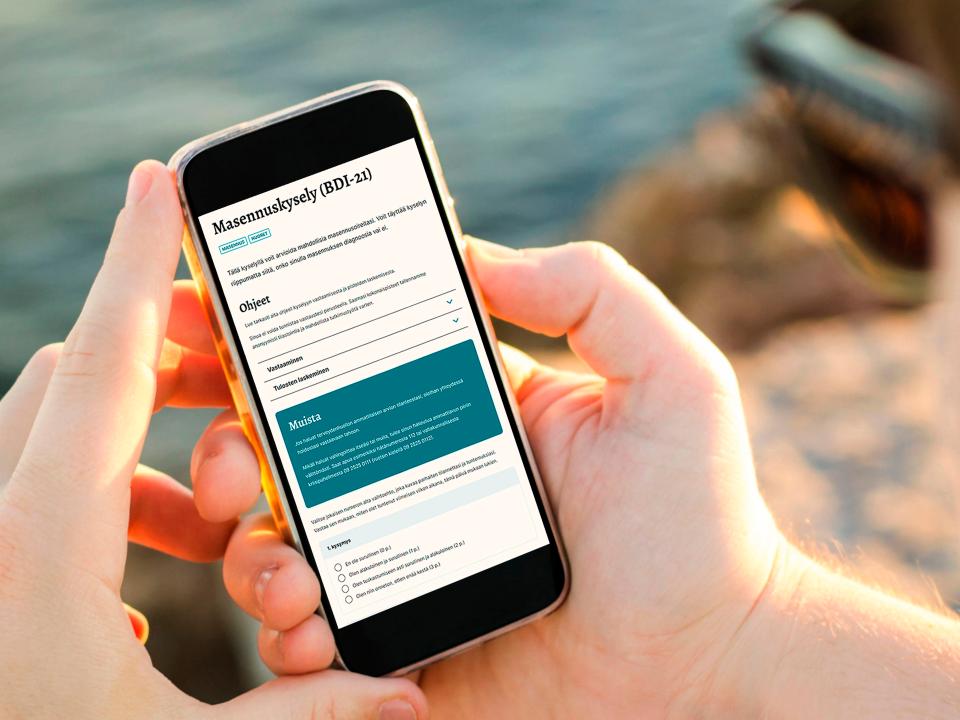
Symptom scales
With a symptom scale, you can assess the severity of your symptoms. You will also get tips from the results on what you should do next.
Self-help programs
Self-help programs help you improve your well-being when you are concerned about your mental health or have mild symptoms. The programs include information and exercises.

Internet Therapies
Mainly for ages 16 and up. You need a referral and online banking credentials.
Internet therapy is based on independent work online. A therapist specialized in your symptoms provides feedback on your exercises and answers questions that arise during them. You need a doctor’s referral for internet therapy. (Currently in Finnish and Swedish)