Development discussions as a support for social health
Summary
- A manager can convey care and a sense of belonging during a development discussion.
- Talking about social well-being increases psychological safety and trust.
- Feedback on active participation in the work community and good collegial skills supports well-being and coping at work.
- A manager can strengthen the positive experience of belonging to the work community and collegial skills.
This page provides tips for conducting development discussions.
The development discussion covers work as a whole and related matters.
Social health is one part of the development discussion. It affects the employee’s job performance, motivation and overall well-being at work.
The manager’s role is to convey care during the discussion and help identify factors that strengthen or weaken community spirit.
Bringing up experiences of belonging and workplace loneliness
It’s important to note that the manager does not need to solve workplace loneliness. However, they play a key role in enabling the development of a sense of community and psychological safety in the workplace.
Example questions to support the development discussion:
- “Do you feel you belong to the work community? What strengthens that feeling?”
- “In what situations has your social well-being at work been at its best? And when has it been most challenged?”
- “Do you have opportunities to join shared breaks, coffee breaks, or other informal interactions?”
- “How could everyday work better support a sense of community in the workplace?”
- “Do you know who to turn to in different situations? Do you get support when needed?”
- “Does the work community/team treat each other with respect?”
The manager can also ask about the employee’s need for support. Asking for help can sometimes be difficult. If the manager feels the employee needs help, it’s worth offering it directly.
For example, the manager can ask:
- “How can I support you as a manager from the perspective of social well-being?”
- “Is there something you’d like to improve in team interaction or team spirit?”
- “Do you need practical support for social situations and skills?”
Strengthen collegial skills with concrete feedback
Feedback given by the manager during the development discussion can reinforce the employee’s sense of belonging to the community. Positive feedback supports motivation and increases job satisfaction.
Examples of feedback that strengthens collegial skills:
- “It’s great how thoughtfully you consider others in shared situations.”
- “I appreciate that you share your ideas and encourage others to join in a discussion.”
- “You’re an important part of the team – your contribution helps create a good team spirit.”
- “Thank you for being approachable and willing to help colleagues.”
- “You have a talent for noticing others’ strengths and supporting them in daily work.”
It’s easier for the manager to stay updated on employees’ well-being when they meet regularly and hold agreed development discussions.
Ongoing dialogue, for example weekly or monthly, supports monitoring of set goals and progress.
Tips for a development discussion
- Make social well-being a natural part of the development discussion. Ask the employee about their experiences of community and sense of belonging at work.
- Listen genuinely and show interest. Caring listening and genuine presence can strengthen trust and psychological safety.
- Celebrate small actions. Workplace skills, kindness and cooperation are sustained by appreciative feedback and create a foundation for a sense of community.
- Enhance a sense of belonging in everyday life. Create opportunities for shared moments where employees can meet informally.
- Make visible the values of the work community and good interaction. Talk about respectful behaviour and leading by example as part of the team culture.
- Recognise needs for support. If you notice signs of withdrawal, loneliness or exhaustion, ask what the employee in a subtle way what help they would like.
- Provide guidance and support. Tell them where to get help if loneliness or relationship challenges persist (e.g. occupational health, human resources, MentalHub.fi).
Read more
This content is part of the inclusive tools for a caring workplace. Explore tools that enhance community here:
You may also be interested in:
When and where to get help?
Professional help
Professional help may be necessary when your own resources, self-help exercises and support from family and friends are not enough. A professional will listen and support you. The goal with professional help is to find new perspectives and ways to deal with a difficult situation.
You can seek help, for example, from
- occupational health services
- social and healthcare services in your wellbeing region (e.g., healthcare center)
How can MentalHub.fi help?
Symptom scales
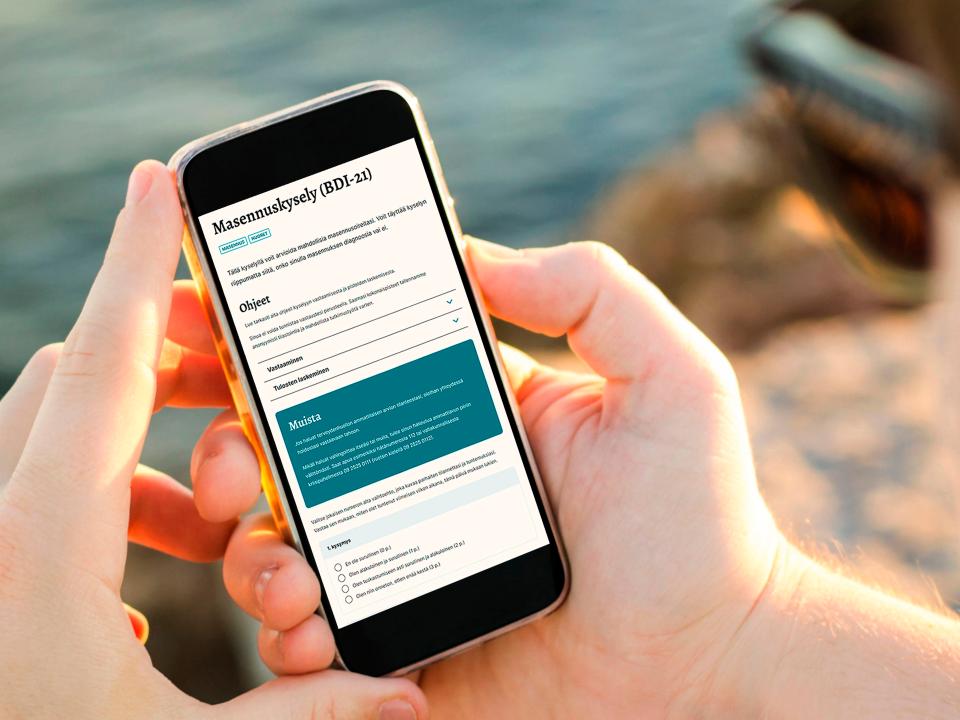
With a symptom scale, you can assess the severity of your symptoms. You will also get tips from the results on what you should do next.
Self-help programs
Self-help programs help you improve your well-being when you are concerned about your mental health or have mild symptoms. The programs include information and exercises.

Internet Therapies
Mainly for ages 16 and up. You need a referral and online banking credentials.
Internet therapy is based on independent work online. A therapist specialized in your symptoms provides feedback on your exercises and answers questions that arise during them. You need a doctor’s referral for internet therapy. (currently in Finnish and Swedish)