A feedback-driven culture strengthens the work community
Summary
- A feedback-driven culture increases job satisfaction, and a sense of trust and belonging between co-workers.
- Positive feedback strengthens the experience of inclusion and prevents loneliness at work.
- Promoting feedback is an invitation for further cooperation, not for criticism.
- Appreciative feedback is based on observations, not interpretations or assumptions.
- The purpose of feedback is always to build good rapport and to promote the common good.
This material provides concrete tips for strengthening a feedback-driven culture.
A feedback-driven approach in the workplace is not a technique, but rather a way of relating to others. It can build trust, make work more meaningful, and strengthen the idea for a worker that they are part of a community and are valued.
Strengthening a feedback-driven work approach
Express gratitude in everyday life:
A small and timely thank-you is more effective than a rare and grand compliment:
- “The way you listen well to the customer is really important.”
Ask for permission before giving feedback:
Ask:
- “May I give you feedback on my observations?”
This creates safety and helps the recipient prepare.
Clarify the purpose of feedback:
Explain why you want to give feedback:
- “I want to share this because I believe it will help both of us succeed better.”
Balance the feedback:
- Remember to recognize both strengths and areas for improvement. Getting positive recognition increases the willingness to receive feedback.
- Keep the tone constructive, respectful and dignified.
- Focus the feedback on actions, not on personality characteristics. In this way the feedback invites collaboration rather than defensiveness.
Feeling appreciated in a workplace context
Feeling appreciated at work means that an individual experiences themselves as part of the work community in a meaningful way. When a person feels seen, understood, and accepted as they are, trust and connection are built. These are some basic pre-conditions for well-being at work.
- Expressing appreciation is shown through attentive, grateful and respectful interactions.
- A culture of appreciation strengthens trust, collaboration, and work motivation.
- Supervisors play a key role in creating a culture of appreciation.
- When employees have autonomy, opportunities to develop and a sense of belonging they are more likely to feel appreciated.
- Expressing appreciation is not a single act but a continuous way of relating to others.
Building appreciation in the work culture
A work and leadership culture that expresses appreciation helps to strengthen three basic psychological needs in workers: autonomy, competence, and relatedness.
Autonomy – trust and influence at work
- Goals and plans are discussed together.
- Flexibility in working hours and timing of task execution is allowed.
- Employees’ expertise is trusted and supported, not questioned.
- Opinions on meaningful work and developmental ideas are regularly sought from employees.
Competence – experiencing success and learning
- Feedback is regular, concrete, and well-founded.
- Strengths and successes are highlighted, also within the team.
- Opportunities for development exist: training, mentoring, job rotation.
- Learning from mistakes is supported. There is no blaming, rather there is encouragement of learning and growing together.
Relatedness – a sense of belonging and appreciation
- From informal conversations that happen in the workplace.
- Shared experiences and successes that are celebrated together.
- Employees are involved in decision-making and planning.
- People are seen as more than just the role they work in, with genuine interest shown in their well-being.
Showing appreciation at work is most easily shown in polite behavior, listening, and expressing thanks. The key to showing appreciation is to ensure that appreciation is not just words, but is visible as an ongoing attitude towards colleagues in everyday interactions. In a work community where appreciation is nurtured, the community is built on mutual trust and collaboration.
Tips to foster appreciation
- Start the day by paying attention to your colleagues: A brief greeting, saying thank you or asking how others are doing sets the right tone for feelings of appreciation.
- Make successes visible: As a team, explain how you appreciate people working together and supporting each other. This creates a culture where success belongs to everyone.
- Be aware of non-verbal communication: A look, a nod or an attentive expression can say more than words.
- Recognise diversity: Different perspectives and ways of doing things strengthen the efforts of the workplace. Be sure to make statements such as this out loud in the workplace.
- Lead by example: If you show appreciation consistently, it will spread throughout the work community.
A culture of appreciation and a feedback-driven work ethic go hand in hand. When people feel heard, seen and valued, they are empowered to contribute, learn and grow together. It creates a community where everyone can feel "I belong here and I am valued".
Read more
This content is part of the inclusive tools for a caring workplace. Find out more about our community engagement tools here:
You may also be interested in:
When and where to get help?
Professional help
Professional help may be necessary when your own resources, self-help exercises and support from family and friends are not enough. A professional will listen and support you. The goal with professional help is to find new perspectives and ways to deal with a difficult situation.
You can seek help, for example, from
- occupational health services
- social and healthcare services in your wellbeing region (e.g., healthcare center)
How MentalHub.fi can help
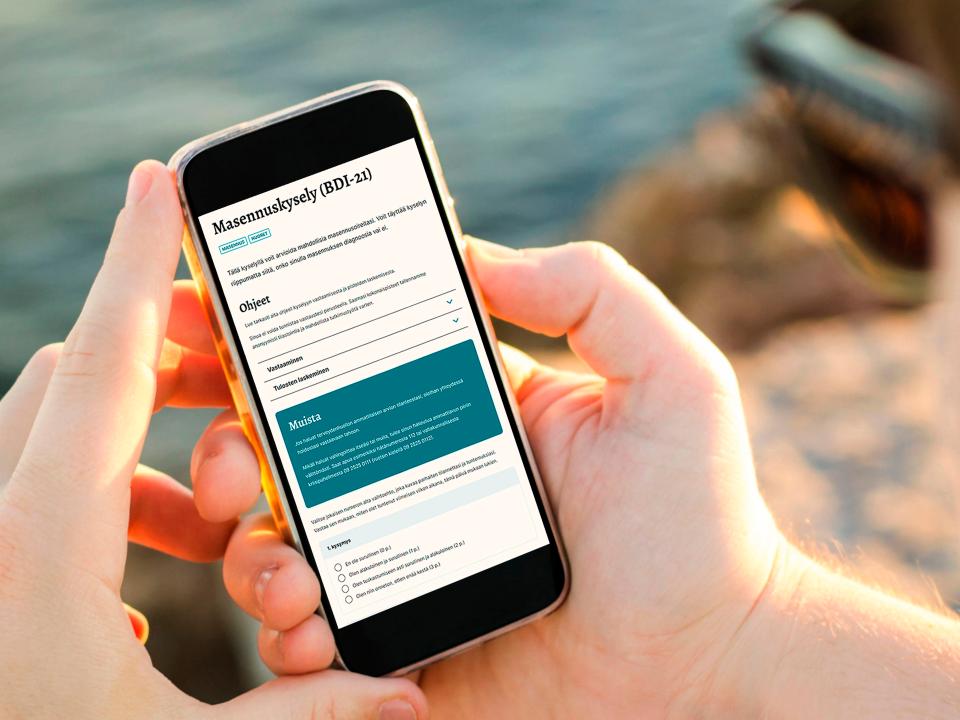
Symptom scales
With a symptom scale, you can assess the severity of your symptoms. You will also get tips from the results on what you should do next.
Self-help programs
Self-help programs help you improve your well-being when you are concerned about your mental health or have mild symptoms. The programs include information and exercises.

Internet Therapies
Mainly for ages 16 and up. You need a referral and online banking credentials.
Internet therapy is based on independent work online. A therapist specialized in your symptoms provides feedback on your exercises and answers questions that arise during them. You need a doctor’s referral for internet therapy.