How do I talk about loneliness at work?
Summary
- Many people experience loneliness at work, but it can be a difficult topic to talk about.
- A safe atmosphere makes openness possible.
- Open conversations increase a sense of connection and belonging.
- Discussion helps clarify the situation: listen and ask.
- Active engagement helps.
This page offers tips to support conversations about loneliness.
Workplace loneliness is a personal experience, but it can have a big impact on performance at work, making it important topic for the workplace. When someone experiences workplace loneliness there is often a need for it to be acknowledged and given space.
Workplace loneliness often occurs in environments where the work culture is rushed and dominated by criticism, competition and comparison, jealousy, and employee uncertainty about job security.
A difficult work atmosphere weakens openness, trust, and social cohesion in the workplace. This can make it hard for employees to express their experiences of loneliness and get the support they need.
Well-meaning comments can disrupt connection
Advice intended to help someone can backfire if it appears to be dismissive of the other person’s feelings or experiences.
Giving advice
- “Have you tried..., just join in with the others!” A well-meant suggestion can feel patronizing, and the person may feel that they should have figured out the solution for themselves.
Minimizing
- “Loneliness isn’t so serious, everyone feels lonely sometimes” or “It will pass” or “You don’t really need to make friends at work.”
Loneliness doesn’t go away through reasoning.
Ignoring
- “Let’s focus on what’s going well instead.”
Positive thinking isn’t helpful when someone is struggling or in distress.
Comparisons
“At least you have a team, some people don’t even have that.”
The problem isn’t a lack of gratitude, so making comparisons to those worse off is not fair or helpful.
An attentive and respectful work atmosphere
Openness in work culture, genuine interest in others, and common dialogue creates the foundations for addressing loneliness. Dialogue means thinking together and building interactions collectively.
In dialogic interaction, you listen in order to understand the other person’s thoughts and experiences better. Instead of emphasizing power imbalances in the relationship, the focus is on creating an encounter between equals.
Creativity, warm-hearted humor, compassion and enthusiasm strengthen community spirit. The opportunity to talk about difficult topics and having a person-centered atmosphere make the workplace a safe space to share experiences and to receive support.
What helps someone feel heard in workplace loneliness is:
- Curiosity and openness to others’ experiences: How does the other person see the situation differently?
- Willingness to talk: How do they feel in the work community right now? Do they feel part of the team?
- Acceptance: Understanding that feeling lonely is normal, even if it feels unpleasant and painful.
- Understanding and support: Loneliness can affect well-being, job satisfaction, and coping. Exploring together what might help opens the situation.
- Appreciation: Expressing appreciation for another person’s openness and willingness to talk.
- More options and choice: What are some alternative options? Which options could they try?
Discussing loneliness is often avoided
Experiencing workplace loneliness can involve feelings of shame or fear of not being heard or helped. Similarly, someone starting the conversation may worry about saying the wrong thing and avoid bringing up the topic entirely. The first step in talking about loneliness is the hardest—but potentially the most rewarding.
Tips for employees to support conversations about loneliness
- Experiencing loneliness at work can be common, but it is often difficult to talk about. Sharing your experience of loneliness can make you feel better and more comfortable in the workplace. Here are some examples of how you can raise the issue with others at work and find support:
Starting a conversation:
- "I'd like to talk to you about a situation I am in."
- "Would it be okay if we talked a bit about how I feel about the workplace?"
- "I have a small thing to discuss about our workplace that's been weighing on my mind for awhile"
Explaining and elaborating on your experiences:
- "I don't really know how to get involved with the team."
- "I feel miserable. I like my job, but I can't really concentrate when I'm thinking about what others expect of me."
- "I often feel like an outsider, and I don't always know what to do or say."
Receiving support and help or being more active:
- "Any thoughts on what could be done about this situation?"
- "I would like to have some clarity in the situation so that I don't have to stress so much."
- "I'm still wondering about a few things related to our workplace...."
Appreciating the conversation and help:
- "Thanks for talking to me."
- "Thank you for listening."
- "I feel a bit better."
Read more
This content is part of the inclusive tools for a caring workplace. Find out more about our community engagement tools here:
You may also be interested in:
When and where to get help?
Professional help
Professional help may be necessary when your own resources, self-help exercises and support from family and friends are not enough. A professional will listen and support you. The goal with professional help is to find new perspectives and ways to deal with a difficult situation.
You can seek help, for example, from
- occupational health services
- social and healthcare services in your wellbeing region (e.g., healthcare centre)
How MentalHub.fi can help
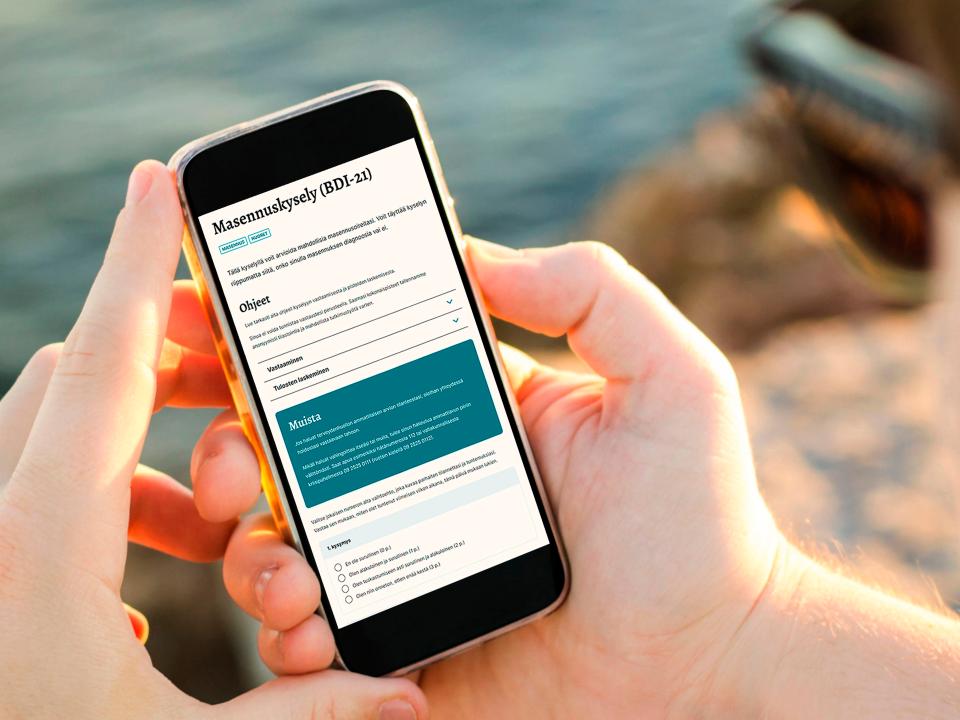
Symptom scales
With a symptom scale, you can assess the severity of your symptoms. You will also get tips from the results on what you should do next.
Self-help programs
Self-help programs help you improve your well-being when you are concerned about your mental health or have mild symptoms. The programs include information and exercises.

Internet Therapies
Mainly for ages 16 and up. You need a referral and online banking credentials.
Internet therapy is based on independent work online. A therapist specialized in your symptoms provides feedback on your exercises and answers questions that arise during them. You need a doctor’s referral for internet therapy. (Currently in Finnish and Swedish)