Social exclusion or ostracism
Social exclusion can be recognized in experiences, situations, and thoughts where it feels as though
- I am being left out.
- I am invisible in the workplace.
- I am being overlooked in the workplace.
- I am not included with others.
Summary
- Ostracism has serious consequences for both an individual’s social health (such as loneliness) and also in indirect ways for the well-being and sense of belonging of the community.
- Deliberately excluding someone from a group is an invisible form of bullying. Exclusion often leads to feelings of loneliness and helplessness.
- A positive atmosphere, helpful and open interactions, being open to receiving feedback, as well as considering and supporting others, all help to prevent exclusion.
- Loneliness can create a persistent sense of being an outsider and can even lead to excluding others from one’s own life.
- Opportunities for communal activities, support from others and positive experiences in the community reduces loneliness.
On this page, you will find tips for alleviating work loneliness.
Ostracism as a conscious behaviour is a form of bullying.
Social exclusion can occur in everyday situations in subtle ways: not greeting someone, not making eye contact with someone, ignoring the presence of others or ignoring what others say. Exclusion can also occur by asking only certain people to join you for lunch or coffee and not asking others to join you.
When a person is intentionally and consistently excluded from shared discussions and decision-making, ostracism has become systematic. Social exclusion can occur in many different communities.
Ostracism is also the exclusion of some members of a community from participation, shared knowledge and expertise in the workplace by using language, vocabulary or information that is not understood by everyone in the workplace community.
The effects of ostracism on well-being
Ostracism is always psychologically stressful for the person experiencing it. Everyone wants to feel accepted. Ostracism is an invisible and malicious problem: those who are socially excluded often do not know why they have been left out, and they are usually not given the opportunity to remedy the situation.
Experiences of being overlooked and feeling invisible can be difficult to express.
Stress
Social exclusion increases stress, undermines community well-being and puts a strain on social functioning. The experience of exclusion affects motivation and can increase the desire to withdraw from social interaction or to leave the workplace community altogether. Repeated feelings of exclusion can erode self-esteem and identity.
Loneliness
Persistent social exclusion and the stress associated with it often cause deep loneliness and a feeling of searching for faults in oneself or others. At the same time, loneliness can lead to a sense of being ostracised.
Social support
Ostracism is less common in communities where the atmosphere is socially positive and people are supported by each other. A shared commitment to community, quality interactions and consideration for others brings meaning to everyday life. A shared understanding of what constitutes polite and appropriate interaction is particularly important in the workplace.
Tips to prevent ostracism
- Highlight everyday interactions: Small acts such as greeting everyone, making eye contact and being inclusive towards others makes a big difference to the experience of togetherness.
- Build openness: Try to speak up if you notice or experience social exclusion. Invite quieter participants into conversations.
- Enhance community spirit everywhere: In workplaces, study environments and in leisure actvities, social rules can be agreed upon that emphasise equality and equal consideration for all.
- Get support: If you feel constantly excluded from the community, talk about your experiences with someone you trust and seek help. If you are feeling lonely, you can always get help from student services, occupational health, mental health services and other organisations.
This content is part of the inclusive tools of a caring workplace. Find out more about our community building tools here:
You may also be interested in:
When and where to get help?
Professional help
Professional help may be necessary when your own resources, self-help exercises and support from family and friends are not enough. A professional will listen and support you. The goal with professional help is to find new perspectives and ways to deal with a difficult situation.
You can seek help, for example, from
- occupational health services
- social and healthcare services in your wellbeing region (e.g., healthcare center)
How MentalHub.fi can help
Symptom scales
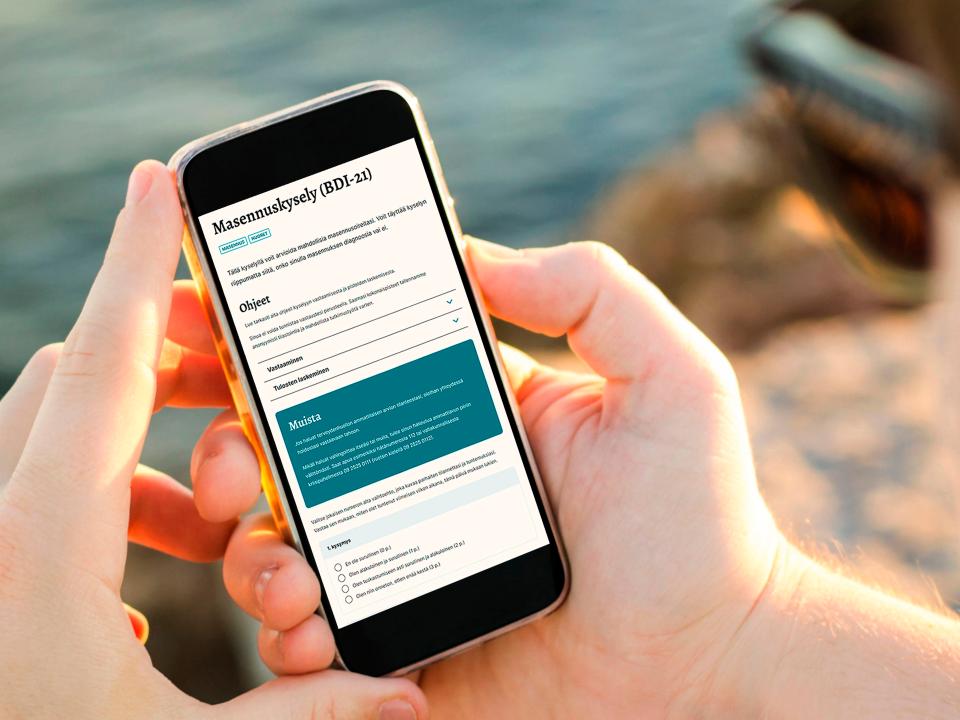
With a symptom scale, you can assess the severity of your symptoms. You will also get tips from the results on what you should do next.
Self-help programs
Self-help programs help you improve your well-being when you are concerned about your mental health or have mild symptoms. The programs include information and exercises.

Internet Therapies
Mainly for ages 16 and up. You need a referral and online banking credentials.
Internet therapy is based on independent work online. A therapist specialized in your symptoms provides feedback on your exercises and answers questions that arise during them. You need a doctor’s referral for internet therapy. (Currently in Finnish and Swedish)