What can employees do about loneliness at work?
Summary
- Work loneliness is a prolonged feeling of exclusion in the workplace.
- Work loneliness is influenced by workplace structures and individual factors.
- Work loneliness affects health and well-being.
- Everyone is able to take small steps to reduce the experience of loneliness in the workplace.
This page provides tips on how to reduce loneliness at work.
Loneliness at work can affect anyone, regardless of their position. It can even exist in busy work environments with lots of people and interactions with others.
- Social loneliness means that there are not enough social contacts and functioning networks at work and in the work community.
- Emotional loneliness means that there is not enough openness and trust between people within the work community.
Work loneliness undermines well-being at work and has a negative impact on job performance and a sense of community. Prolonged work loneliness can lead to an increased likelihood of illness in employees and high staff turnover.
In the video below (2:28), Pauliina explains what work loneliness is:
What causes workplace loneliness?
Workplace loneliness can result from factors such as the nature and type of the work and a lack of organisation in the workplace, or from an individualistic and demanding workplace culture.
The causes of workplace loneliness include the type of job, remote/hybrid work, poor organization and leadership, social relationships at the workplace, and internal workplace factors.
Work-related and community-related factors that increase the risk of workplace loneliness include:
- psychosocial workload
- the amount of remote work
- unclear communication practices
- poor support from supervisors
- poor onboarding to the role
- insufficient feedback from colleagues and supervisors
Work loneliness occurs in workplaces where there is social exclusion, ostracism.
Individual factors that increase susceptibility to workplace loneliness include:
- a new, developing or changing work identity
- unclear or missing work goals which are lacking in challenge and variety
- attitudes toward work and other members of the work community
- a lack of social skills
- negative life events
- personality traits
- physical characteristics and possible limitations.
Loneliness can also occur due to life situations outside of work. If you are going through a difficult phase in your personal life, both the work itself and the compassion and support of your work community can play a crucial role in coping and recovery.
Workplace loneliness is exhausting
Experiencing loneliness at work increases stress and raises the risk of burnout, especially cynicism toward work and a decline in professional self-esteem.
Workplace loneliness affects:
- work motivation and coping
- mood
- social relationships
- sleep
- concentration
- physical health, for example through various types of pain.
Feeling lonely in the work community makes it harder to recover during and after the workday and makes it more difficult to acheive a good work-life balance.
The connection between mood, social relationships, and loneliness is bi-directional: a negative mood leads to withdrawal from social relationships, and then when positive soical experiences decrease in the workplace, loneliness and withdrawal intensify.
When experiencing loneliness, it is difficult to rely on others and to ask for or offer help. This weakens teamwork and the functioning of the entire work community, and the effects may also be seen in other work tasks. Workplace loneliness increases absences and the likelihood that the employee will want to change jobs and leave the workplace.
Tips for reducing loneliness at work
Maintaining social health is just as important as paying attention to physical and mental health.
The role of the work community and the supervisor is to support collaboration in the workplace. A positive relationship with your supervisor and colleagues promotes your own well-being at work.
What can you do to contribute to the workplace community and make work a better place to be?
Take care of your own resources and invest in:
- self-management skills
- independent progress in work tasks
- developing your own expertise
- teamwork skills, sufficient flexibility, and necessary assertiveness
- belonging to and participating in the work community
Appreciate what your supervisor can do for you, and ask for help when needed:
- in advancing shared work matters
- during work-related changes
- in supporting well-being and coping at work
Be a collaborative and fair colleague:
- appreciate others, give feedback, support coworkers
- ask questions and discuss topics openly
- don’t talk behind someone’s back about things you wouldn’t say to them face-to-face
- promote shared work goals
Note that sometimes the situation is difficult for reasons beyond your control. If you have done everything you can but still face poor treatment or are not being heard, it is important to also consider your overall situation.
It is always allowed, and sometimes necessary,to look for a workplace where employees are valued and their health is supported.
If you experience workplace loneliness:
Don’t deal with it alone - help is always available. It is possible to find ways to improve the situation even if you’ve already tried to solve the problem. The important thing is to acknowledge loneliness and to not ignore it. You can start improving your social health with small steps:
- Recognize and talk about it: Pause when you notice feelings of workplace loneliness. Confront the feeling and the needs behind it. Reflect alone or with someone you trust: “What changes do I hope for, and how can I acheive them myself?”
- Discuss the issue and practice taking different perspectives: Asking questions, wondering aloud, sharing your thoughts, and hearing others’ experiences builds trust and prevents misunderstandings. Others don’t necessarily know what you think, hope, and need. Most often you will find that a colleague will help you out.
- Practice coworker skills: Make small everyday actions a habit, such as greeting everyone, getting to know colleagues, showing interest, asking questions, and giving and receiving help. These habits strengthen the sense of belonging.
- Commit to the work community: Ask about unclear practices and engage in open discussions about shared rules. Commit to collaboration and be open to different ways of working.
- Participate in workplace events and gatherings, even if they don’t always interest you: The sense of belonging also involves your own choices and effort. Being together and doing activities together increases the feeling that you are a valued part of the work community.
When and where to get help?
Professional help
Professional help may be necessary when your own resources, self-help exercises and support from family and friends are not enough. A professional will listen and support you. The goal with professional help is to find new perspectives and ways to deal with a difficult situation.
You can seek help, for example, from
- occupational health services
- social and healthcare services in your wellbeing region (e.g., healthcare center)
- HelsinkiMissio's loneliness programme (in Finnish)
How MentalHub.fi can help
Symptom scales
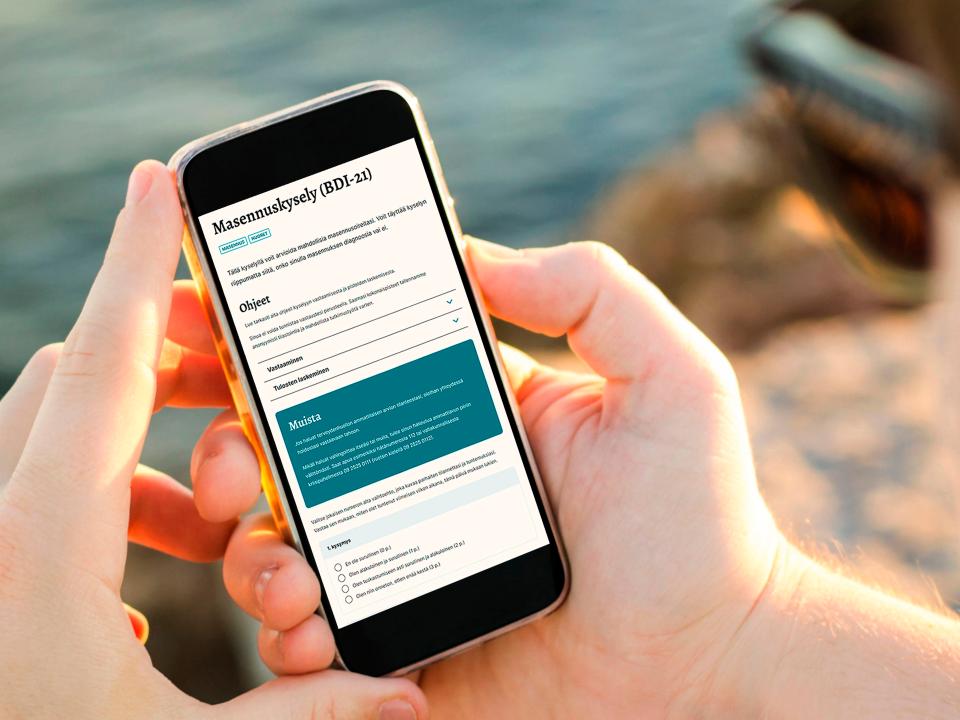
With a symptom scale, you can assess the severity of your symptoms. You will also get tips from the results on what you should do next.
Self-help programs
Self-help programs help you improve your well-being when you are concerned about your mental health or have mild symptoms. The programs include information and exercises.

Internet Therapies
Mainly for ages 16 and up. You need a referral and online banking credentials.
Internet therapy is based on independent work online. A therapist specialized in your symptoms provides feedback on your exercises and answers questions that arise during them. You need a doctor’s referral for internet therapy.