What can managers do about loneliness at work?
Summary
- Work loneliness is a prolonged feeling of exclusion in the workplace.
- Work loneliness can be influenced by workplace structures and individual factors.
- Work loneliness affects health and well-being.
- Everyone can take small steps to reduce the experience of loneliness in the workplace.
This page provides some tips on how to reduce loneliness at work.
Loneliness at work can affect anyone, regardless of their position. It can even exist in busy work environments with lots of people and interactions with others.
- Social loneliness means that there are not enough social contacts and functioning networks at work and in the work community.
- Emotional loneliness means that there is not enough openness and trust between people within the work community.
Work loneliness undermines well-being at work and has a negative impact on job performance and a sense of community. Prolonged work loneliness can lead to an increased likelihood of illness in employees and high staff turnover.
In the video below (2:28), Pauliina explains what work loneliness is:
What causes workplace loneliness?
Workplace loneliness can result from factors such as the nature and type of the work and a lack of organization in the workplace, or from an individualistic and demanding workplace culture.
The causes of workplace loneliness include the nature of the job, remote/hybrid work, poor organization and leadership, social relationships at work, and internal workplace factors.
Work-related and organizational factors that increase the risk of workplace loneliness include:
- psychosocial workload
- the amount of remote work
- unclear communication practices in the workplace
- poor support from supervisors
- poor onboarding to the role
- insufficient feedback from supervisors and colleagues
Other contributing factors include:
- lack of necessary workspaces and tools
- workload demands and urgency
- uncertainty about job continuity
- loneliness in supervisory roles
Loneliness in supervisory roles
Loneliness in supervisory work is often linked to a professional role in which the supervisor represents the employer and is responsible for work and well-being, and makes independent decisions.
Workplace loneliness also occurs in communities where there is social exclusion, or ostracism.
Workplace loneliness is exhausting
The effects of workplace loneliness are visible in both work performance and in social interactions. Workplace loneliness is a significant well-being and productivity risk for both individuals and the entire work community.
Workplace loneliness affects:
- weakening teamwork and workplace functionality
- reducing well-being and motivation
- lowering commitment to the work community
- impairing job performance
- making it harder to ask for, receive, and offer help
- seriously harming health if prolonged
Experiencing workplace loneliness makes work harder. It:
- increases stress
- raises the risk of burnout
- fosters cynicism toward work and colleagues
- weakens professional self-esteem
- makes recovery during and after the workday harder
- complicates balancing work and personal life
- increases absences and the desire to change jobs
Workplace loneliness is linked to health problems such as:
- symptoms of depression
- sleep difficulties
- concentration problems
- physical complaints like headaches and muscle pain
- general illness
Investing in social health protects against workplace loneliness
Workplace loneliness can be addressed by recognizing it as part of occupational health and well-being. Nurturing social health is as important as considering physical and mental health in supervisors’ safety responsibilities.
Protective factors include a good and respectful relationship with the supervisor, as well as the supervisor's:
- support for practical work and problem situations
- positive attitude
- active efforts to foster belonging in the work community
Community spirit also protects against loneliness and is strengthened by:
- social support from colleagues
- open communication within the work community
- solution-focused dialogue and communication
Protection against loneliness caused by decision-making responsibilities includes:
- strong self-leadership skills
- developing leadership competence
- collegiality
- sharing leadership experiences and questions
- asking for, receiving, and offering help
- supervision and other social support when needed
A caring supervisor reduces workplace loneliness
Preventing and reducing workplace loneliness is the responsibility of the entire work community. The supervisor plays a key role in ensuring fairness and promoting coworker skills and community spirit.
A caring supervisor invests in mutual belonging and provides immediate support to employees experiencing loneliness.
The supervisor recognizes the strengths of different roles in the work community and supports social interaction and collaboration. They:
- offer their support to the work community
- enable social support for work tasks
- make it possible to have shared breaks.
Reducing loneliness at work is a community-wide issue
Social health is an important part of the overall well-being of the whole work community. When there is space for listening, trust and working together, the experience of loneliness is reduced and work takes on new meaning.
You can take a concrete approach to increasing understanding and finding solutions to loneliness in your workplace by running a Loneliness Phenomenon Workshop.
Learn more and take part in the Workplace Loneliness in the Community -Workshop, where you can explore together what loneliness means from a workplace perspective and how you can strengthen cohesion in everyday life.
Help for loneliness
There is help for loneliness. Employees should be informed about the types of support and information about this should be made available to all through common communication channels in the workplace. They should also be reminded of the importance of looking after their own and others' social health at work and in their leisure time, for example their own social relationships.
Tips for reducing loneliness at work
- Discover, recognise and listen: Loneliness is easy to miss. Regularly taking time to talk about it in a team or one-to-one, for example in a development discussion, brings awareness to the problem
- Talk and listen together: Talking openly and listening to each other's experiences builds trust, which helps workers to find solutions together and prevent misunderstandings.
- Partnership skills: Small everyday acts such as introducing a new person to others, inviting them to work with you, showing interest and giving positive feedback strengthen cohesion
- Being part of the work community: Agreeing on common ground rules and leading by example, having different opportunities to participate in work, as well as talking and doing things together all contributes to a sense that everyone is an important part of the work community.
You can put up posters on the wall of your workplace that communicate the commitment to reduce loneliness in your workplace. When the issue is on the agenda, people are better able to influence and raise the issue.
Poster: Some of us feel lonely at work
Poster: Be a (work)friend
Poster: Can you recognize loneliness?
Read more
On this page you will find a collection of materials that have been developed together with young people entering and staying in the world of work and also with professionals working in the field of loneliness.
You may also be interested in
When and where to get help?
Professional help
Professional help may be necessary when your own resources, self-help exercises and support from family and friends are not enough. A professional will listen and support you. The goal with professional help is to find new perspectives and ways to deal with a difficult situation.
You can seek help, for example, from
- occupational health services
- social and healthcare services in your wellbeing region (e.g., healthcare center)
How MentalHub.fi can help
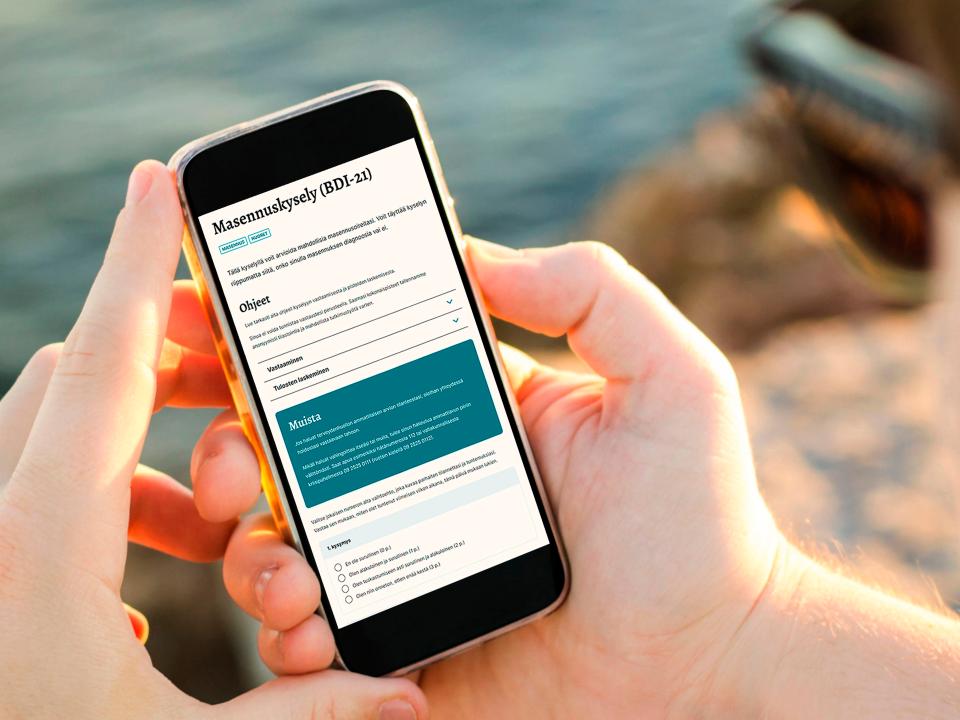
Symptom scales
With a symptom scale, you can assess the severity of your symptoms. You will also get tips from the results on what you should do next.
Self-help programs
Self-help programs help you improve your well-being when you are concerned about your mental health or have mild symptoms. The programs include information and exercises.

Internet Therapies
Mainly for ages 16 and up. You need a referral and online banking credentials.
Internet therapy is based on independent work online. A therapist specialized in your symptoms provides feedback on your exercises and answers questions that arise during them. You need a doctor’s referral for internet therapy.