Comprehensive onboarding fosters commitment to work
Summary
- Good onboarding covers both work tasks and social well-being and sense of community.
- Having mentors and clearly designated support persons can help a new employee adapt to the job and the work community, as well as strengthening their professional development.
- Informal encounters within the work community support the feeling of belonging and inclusion.
- The active role of the supervisor and regular feedback strengthens safety and employee integration.
- Onboarding is a process that requires interaction, time, and space.
On this page, you will find tips for successful onboarding.
Tips for successful onboarding
- Plan the onboarding in advance and agree on the responsible persons for onboarding and mentors.
- Ensure social support is arranged from the very beginning: team days, coffee breaks, informal meet-ups.
- Schedule regular one-on-one meetings with the supervisor and provide feedback easily and frequently.
- Make opportunities to participate visible: help the employee to join meetings, networking events, and social activities.
- Monitor the onboarding process and make adjustments as needed so that the employee feels part of the work community.
Workplaces that invest in good onboarding are sought-after employers. Positive feedback from successful onboarding can also be used to support recruitment.
Onboarding Checklist
The following onboarding list covers the basics of social onboarding.
Preparation
- Agree with the team on how shared interactions and breaks will be implemented when work begins.
- Assign a mentor or support person for the new employee and clearly explain their responsibilities and expectations.
- Schedule a team meeting or a team day during the first few weeks when the new employee starts work.
- Draw up a list of responsibilities for the induction and agree which sections will be covered remotely/face-to-face.
- Encourage the team to get to know the new employee.
- Contact the new employee together with their mentor before the starting date.
Mentoring and Social Support
- Set aside time for the mentor to provide guidance and support.
- Make sure that the new employee knows who to turn to for help with different matters.
- Plan some tasks that the new employee can do together with the team or colleagues.
Belonging and Inclusion in Daily Life
- Organize regular weekly meetings and office days.
- Invite the new employee to networking meetings and gatherings.
- Make sure the new employee joins coffee breaks, lunches, and team moments.
- Arrange informal meetings that are recurring and added to employees’ calendars (lunches, afternoon coffee, virtual coffee breaks).
- Create opportunities to get to know team members both one-on-one and in group settings.
- Identify situations where experienced employees could turn to the new employee and discuss these situations with the team.
- Explain informal social habits of the workplace to the new employee (e.g., “On Mondays we ask colleagues about their weekend"; "After team meetings we go for lunch together" "On Fridays, we have a coffee break during which we are not allowed to talk about work stuff.”).
You can also set goals together with the employee for integrating into the team:
- “Meet and exchange thoughts with at least five team members within two weeks of starting.”
- “Learn about the team’s values, communication styles, and unwritten rules with colleagues.”
- “Try to participate in all team meetings and social events during the first month at least.”
Communication
- Introduce general communication channels (Teams, intranet, email, etc.) and set them up with the new employee.
- Schedule regular times for questions and discussion, for example short problem-solving sessions together.
The Supervisor’s Active Role and Presence
- Arrange regular one-on-one meetings with the new employee.
- Explain how and when you are available, and commit to this schedule.
- Give feedback on how the start of work has gone, noting successes and areas for improvement.
- Ask for feedback on onboarding and daily routines at the workplace.
- Discuss the employee’s expectations, wishes, and needs (related to work and social well-being).
- Identify any key challenges or risks in social integration.
- Support the new employee’s participation in meetings and in asking questions.
Onboarding is a Long-term Process
Good onboarding is a long-term process and can last up to a year. During this time, the situation is monitored regularly, evaluated together and adjustments are made as needed to make sure the process goes well.
It is important to create a safe atmosphere where can be time and space for questions, feedback and social integration.
Onboarding is not just about task guidance. Social support, building community, and considering individual needs are also part of the supervisor’s role.
Experiencing belonging and meaningfulness increases the employee’s motivation, commitment and success at work.
Read more
This content is part of the inclusive tools for a caring work community. Explore tools that enhance community spirit here:
How MentalHub.fi can help
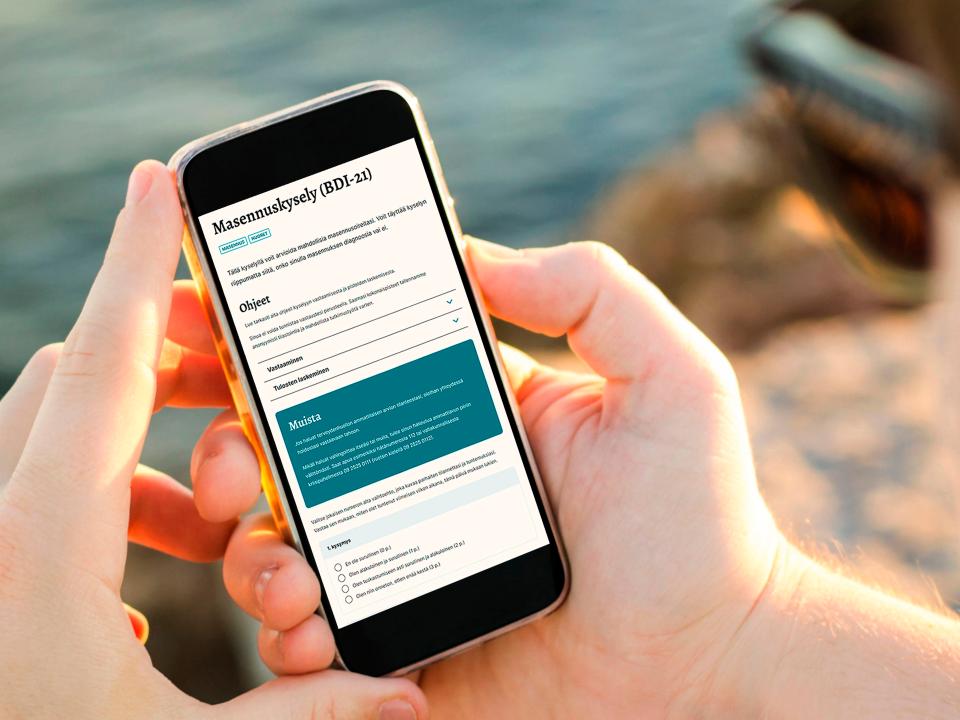
Symptom scales
With a symptom scale, you can assess the severity of your symptoms. You will also get tips from the results on what you should do next.
Self-help programs
Self-help programs help you improve your well-being when you are concerned about your mental health or have mild symptoms. The programs include information and exercises.

Internet Therapies
Mainly for ages 16 and up. You need a referral and online banking credentials.
Internet therapy is based on independent work online. A therapist specialized in your symptoms provides feedback on your exercises and answers questions that arise during them. You need a doctor’s referral for internet therapy.