What are coworker skills?
Summary
- Coworker skills are interaction skills.
- Good coworker skills strengthen the work community and prevent workplace loneliness.
- Interaction skills can be learned and developed through practice.
- Coworker skills can simply be small actions in everyday working life.
- Reciprocity is at the heart of workplace interactions.
On this page, you will find tips for strengthening your coworker skills.
Coworker skills strengthen the work community and it's well-being.
Networking and influencing skills as well as good interpersonal skills in everyday encounters increase a person's sense of connection and community and helps to reduce loneliness at work.
In the following video (2:29), Anne talks about her experiences of loneliness at work and the importance of colleagues.
Key Coworker Skills
Active Listening
- Active listening starts with taking initiative to keep the conversation going.
- The second step is to focus on listening to what the other person is saying without thinking about what you will say next.
- Finally, check that you have understood the other person’s message correctly.
Practicing Compassion
- Aim to understand the other person’s feelings, experiences, and perspective.
- Ask clarifying questions.
- Avoid dismissing or minimizing the other person’s experience.
- Ask if they want advice or guidance.
- Check what they think about the conversation and any possible advice.
Nonverbal Communication
- Pay attention to your own body language, eye contact, and tone of voice.
- When listening to sometone make sure you look at the other person’s face and eyes most of the time. Avoid doing anything else, like checking your phone or looking at your computer.
- Act consistently: if you want to communicate friendliness, make sure your tone is warm.
- Check whether you are interpreting the other person’s nonverbal signals correctly.
Giving and Receiving Feedback
- Give feedback on the other person’s actions in a concrete and friendly way.
- Learn to accept feedback and use it as guidance for how to act next time.
- Stay firm if you encounter inappropriate feedback.
Emotional and Self-Regulation Skills
- Practice recognizing and expressing your own emotions.
- Politely ask for what you need.
- Treat your own imperfections and needs with compassion.
- Develop emotional and self-regulation skills so you can handle different workplace situations skillfully.
The Ability to Work Together
Coworker skills are an important part of organizational functionality. They define how employees interact, resolve conflicts, and build trust in everyday life.
Strong social skills at work increase engagement, reduce stress, and improve organizational performance. Coworker skills can also fade over time. Learned skills deteriorate if they are not used in daily work.
It’s worth checking the following skills from time to time:
Good manners
- The basic requirement for coworker skills.
Working together
- Ability to give space to others and build a shared direction.
Brave and constructive conversation
- Courage to express your own perspective.
- Open discussion about issues with the person concerned.
Respecting others
- Assuming goodwill is the foundation of trust in the workplace.
- Enable participation and a sense of inclusion for others.
Self-awareness and responsibility
- An ability to self-reflect and take an active role as a member of the work community.
- Taking responsibility for mistakes and correcting the situation.
Solution orientation and feedback
- A solution-focused approach to problems. Regular, encouraging feedback to others.
- Giving and requesting feedback within the work community.
Reciprocity is the heart of workplace interaction
Reciprocity means a balance between giving and receiving. When you feel heard and valued, it’s easier to support others. In working life, reciprocity shows in small actions and builds the sense that we are in this together.
How does reciprocity show in everyday life?
- Listening and being heard: When someone genuinely stops to listen, the other person dares to share their thoughts.
- Helping and supporting: Help received during busy times increases the willingness to help others later.
- Space for different perspectives: In team meetings, speaking turns are shared evenly, and quieter voices are heard too.
- Warm welcome for newcomers: When a new employee is greeted kindly and guided calmly, they are more likely to pass it on.
Reciprocity is not a trade-off but trust that the common good supports everyone. It reduces competition, increases safety, and strengthens workplace cohesion.
Loneliness is hard to talk about
Workplace loneliness occurs when coworker relationships don’t work or have too many breaks. It can also feel like your professional skills are lost.
It may be difficult to talk about loneliness at work. However, discussing it is important for well-being and coping at work. Even in loneliness, interaction skills develop through awareness, practice, and feedback.
Starting the conversation: listening, asking, and acting
The most important thing is to be interested in what the other person is saying, give space to the other person, and avoid belittling, advising, or comparing situations. Small everyday actions and open interaction strengthen community.
- A safe atmosphere enables openness. It’s easier to talk about loneliness in workplaces where trust, respectful encounters, and dialogical interaction prevail. Competition, crticism and a hectic work atmosphere make it harder to bring up the topic of loneliness.
- Everyone has a role in reducing loneliness. Employees, supervisors, and occupational health can each start the conversation. Listening, respectful feedback, and finding forward-looking solutions together are essential.
- Open discussion reduces shame and increases belonging. Talking about loneliness normalizes the experience, reduces feelings of inferiority, and strengthens inclusion and well-being in the workplace.
The entire organization benefits from good coworker skills, as they are reflected in the work atmosphere, collaboration, and ultimately in the work results.
Tips for strengthening your coworker skills
- Stop to listen. Look your colleague in the eye, listen calmly and show interest in their thoughts. Genuine encounters build trust.
- Practise listening. Let the other person finish and make sure you understand. Listening is more important than responding quickly.
- Give and ask for feedback. Feedback helps you learn and improve. Kindly let them know what is working well and what could be improved.
- Praise and appreciate. Praise, compliment and recognise the strengths of others. Appreciation increases motivation and a sense of community.
- Support and help. Offer help if you notice that someone is under pressure. Even small acts strengthen a sense of belonging.
- Have compassion. Try to understand the other person's perspective and feeling, even if you don't agree. Compassion creates a safe atmosphere.
- Take care of your own well-being. Maintaining your co-working skills also requires taking care of yourself. When you feel good, it's easier to treat others positively.
- Cultivate openness. Create and foster an atmosphere where it's safe to talk about difficult issues without fear of blame.
- Develop emotional skills. Recognise your own feelings and learn to regulate them - it helps you to act constructively even in challenging situations.
- Maintain reciprocity. Remember that good interaction is a common cause: give, receive and trust that everyone wants a common good.
Read more
This content is part of the inclusive tools for a caring workplace. Find out more about our community engagement tools here:
You may also be interested in:
When and where to get help?
Professional help
Professional help may be necessary when your own resources, self-help exercises and support from family and friends are not enough. A professional will listen and support you. The goal with professional help is to find new perspectives and ways to deal with a difficult situation.
You can seek help, for example, from
- occupational health services
- social and healthcare services in your wellbeing region (e.g., healthcare center)
How MentalHub.fi can help
Symptom scales
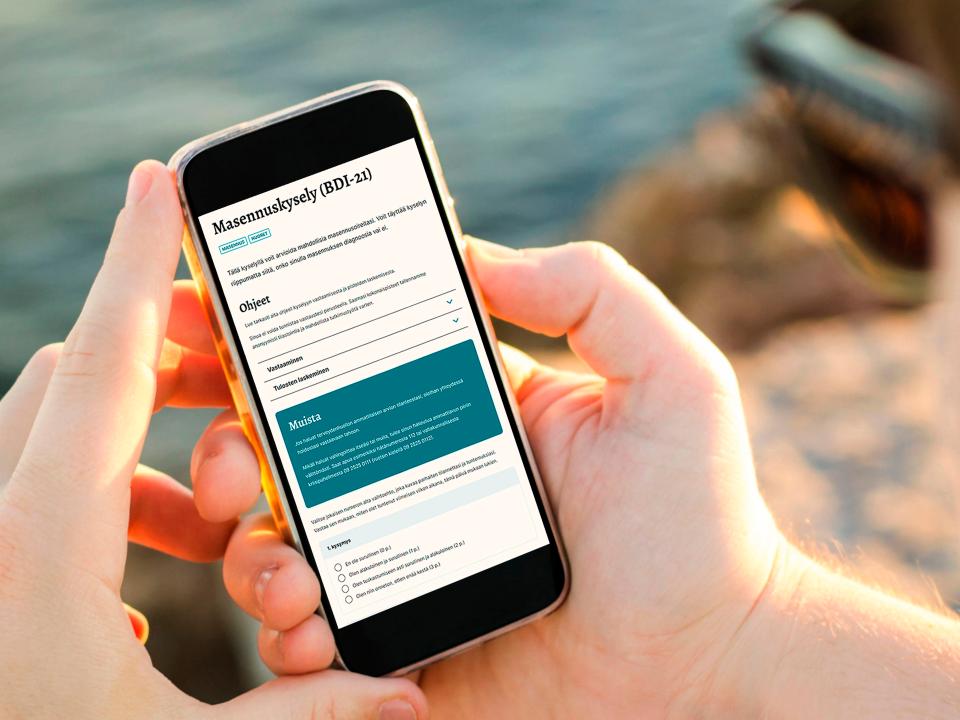
With a symptom scale, you can assess the severity of your symptoms. You will also get tips from the results on what you should do next.
Self-help programs
Self-help programs help you improve your well-being when you are concerned about your mental health or have mild symptoms. The programs include information and exercises.

Internet Therapies
Mainly for ages 16 and up. You need a referral and online banking credentials.
Internet therapy is based on independent work online. A therapist specialized in your symptoms provides feedback on your exercises and answers questions that arise during them. You need a doctor’s referral for internet therapy.