How do you address work loneliness as a manager?
Summary
- Many people experience loneliness at work and it can be hard to talk about.
- A safe atmosphere makes openness possible.
- Open conversations increase the sense of connection and belonging.
- Discussions helps clarify the situation: listen and ask.
- Active engagement helps.
This page offers tips to support conversations about loneliness.
When workplace loneliness is addressed in managerial work, it increases the employee’s self-awareness as a member of the work community. It
- creates mutual understanding and connection
- brings issues that need improvement to a concrete level
- provides ways to discuss highly meaningful topics
- supports a sense of community and appreciation of this in the workplace.
Building a climate of trust
Workplace loneliness can easily remain hidden, yet it affects both the employee’s well-being and the functioning of the entire work community.
A manager’s role is to enable a safe atmosphere in which people feel comfortable. This makes it possible to talk openly about workplace loneliness.
- Questions about social health and workplace loneliness can be included in discussions as part of broader effort to improve well-being and a sense of community.
- It’s important to emphasize that this is a voluntary and confidential conversation, not an assessment of job performance.
- If you conduct team-level surveys and assessments on workplace loneliness and exclusion, keep the results anonymous and in summary form.
Active listening is part of the solution
Listening without judging or offering ways to fix the situation increases the feeling of being heard.
Listening and asking questions help move the conversation forward.
- “What kind of situations make you feel left out?”
- “You mentioned that our work community is under heavy pressure and there’s too little interaction with colleagues. Tell me more.”
Look for opportunities to increase connection.
Could you provide shared breaks, teamwork activities or mentoring? The keys to solutions most often lie with the employee themselves. It’s worth asking:
- “What would help you?”
Independent decision-making strengthens the sense that one’s opinions matter.
The feeling of belonging is important.
Inviting someone to join different social situations reinforces the sense of inclusion.
Young employees and social onboarding
The work community should ensure together that a young employee finds their place and feels included.
Belonging and inclusion in the work community prevents feelings of loneliness among young employees. At the start of a career, this builds a safe foundation for fair and reciprocal collegiality.
Onboarding fosters a sense of belonging to the work community.
- For a young employee, feeling supported and part of the group is more important than a perfect onboarding program.
Introducing the young employee to colleagues increases the sense of community.
- The work community learns the young person’s name and welcomes them.
A support person or “buddy” makes everyday work easier for a young employee.
- The buddy guides them through workplace routines: where and with whom to take breaks, and who to ask for advice in what situations.
A positive sense of community is voluntary.
- No one has to adapt or participate in all informal activities. Everyone can be themselves and choose whether they want to belong.
Where to start the conversation?
Loneliness experienced by an employee can affect their well-being, motivation, and job performance. A manager’s presence and supportive feedback can significantly reduce workplace loneliness.
Examples of questions to start the conversation
- “What has it been like for you to start working here / to work with this team?”
- “How have you felt in the work community lately?”
- “How do you see your place in the team? What has influenced your experience?”
- “How do you feel you’ve been included in the work community?”
Examples of listening
When listening, show genuine interest and clarify what you’ve heard without correcting the other person’s experience:
- “Do you feel excluded from the work community right now?”
- “In what situations do you feel excluded?”
- “How does this experience affect you at the moment?”
Examples of thinking together about what could help with workplace loneliness
- “We’d like every employee to feel included and valued. Is there something we could do better in this regard?”
- “What do you need?”
- “What would you like me to do?”
- “What do you definitely not want?”
- “How could I support you?”
- “I would suggest we proceed like this… How does that sound to you?”
- “Which of these options would help you best?”
Possible tools to support the conversation
- Development discussion as support for social health
- Checklist for onboarding topics
- Tools for a caring work community to help with workplace loneliness
- Booking an appointment with occupational healthcare.
Ensure the person feels heard and supported
As discussions progress, find out whether the young employee feels they have received help for their feelings of loneliness.
Ask whether the conversation covered issues important to them:
- “Would you like to add anything essential to what you shared earlier?”
Agree on when you will meet again to revisit the topic:
- “I’d like to see you again after X time and make sure the things we discussed are progressing / that you’ve received help from occupational health.”
Show interest:
- “We talked about your well-being a week ago. How are you doing now?”
Show appreciation for discussing the matter:
- “Thank you for sharing your experiences. I’ll keep this in mind. Let’s think together about how we can move this forward.”
Tips for managers on how to talk about loneliness
Understanding your own feelings helps in connecting with others. In conversation, it’s useful to stay calm when facing someone else’s difficult emotions. The ability to separate your own feelings from theirs supports meaningful interaction.
- Create space for questions and dialogue, not just sharing information.
- Repeat something the other person said — it strengthens the feeling of being heard.
- Encourage everyday interactions, breaks, and shared tasks.
- Recognize subtle signals (withdrawal, absence, passivity).
- Don’t force it. A sense of community cannot be requested or imposed.
- Ask and offer support sooner rather than too late.
- Give feedback. A positive feedback culture prevents isolation.
- Be considerate. Small actions like greeting and inviting someone along strengthen community spirit.
Tip for the work community: Use workplace loneliness posters at your workplace. They help communicate that your work community wants to foster inclusion and ensure no one is left alone.
Read more
This content is part of the inclusive tools for a caring workplace. Find out more about our community engagement tools here:
You may also be interested in:
When and where to get help?
Professional help
Professional help may be necessary when your own resources, self-help exercises and support from family and friends are not enough. A professional will listen and support you. The goal with professional help is to find new perspectives and ways to deal with a difficult situation.
You can seek help, for example, from
- occupational health services
- social and healthcare services in your wellbeing region (e.g., healthcare center)
How can Mentalhub.fi help?
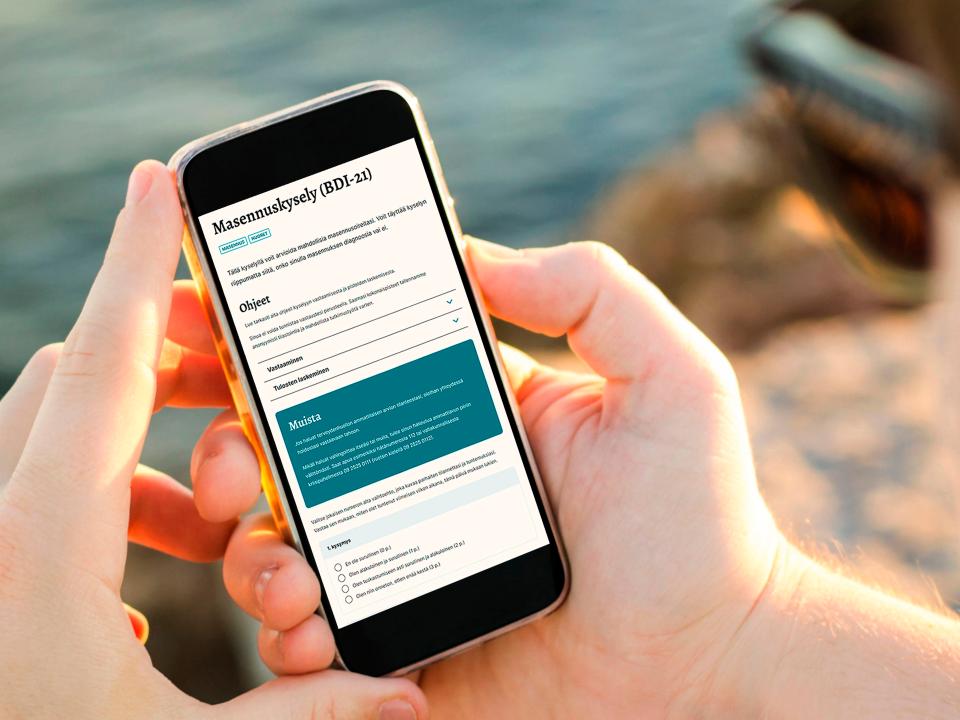
Symptom scales
With a symptom scale, you can assess the severity of your symptoms. You will also get tips from the results on what you should do next.
Self-help programs
Self-help programs help you improve your well-being when you are concerned about your mental health or have mild symptoms. The programs include information and exercises.

Internet Therapies
Mainly for ages 16 and up. You need a referral and online banking credentials.
Internet therapy is based on independent work online. A therapist specialized in your symptoms provides feedback on your exercises and answers questions that arise during them. You need a doctor’s referral for internet therapy. (Currently in Finnish and Swedish)