Self-help program
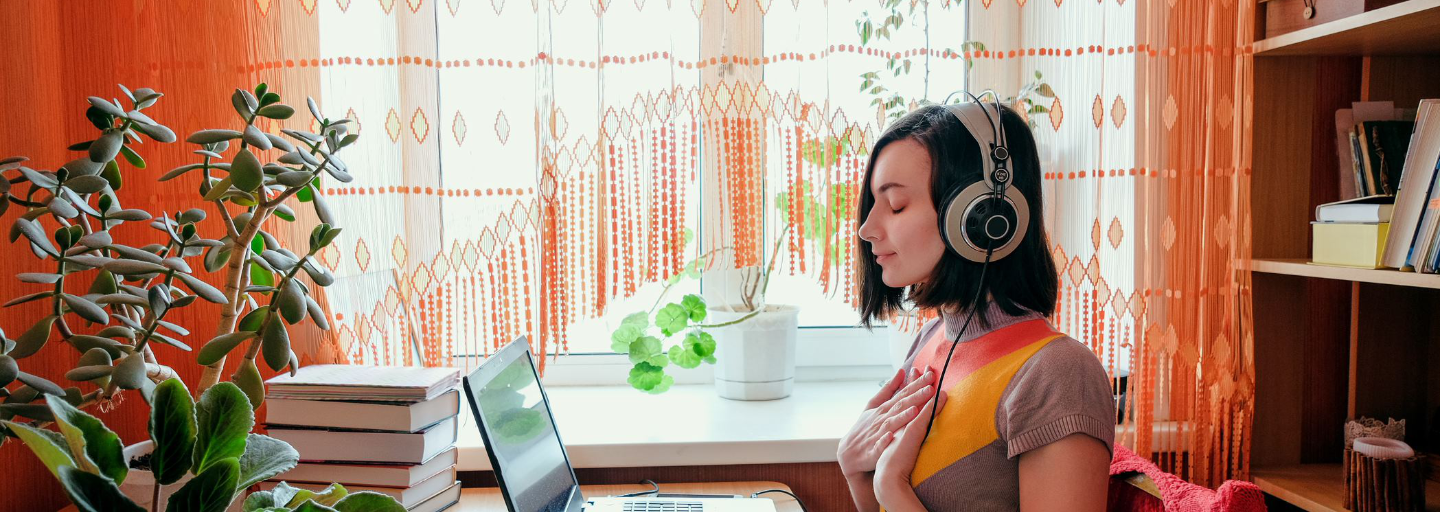
Welcome to the Self-Help Program for Depression!
Is this Self-Help Program something for me?
The Self-Help Program for Depression can be used by anyone experiencing symptoms of depression. These include low mood, feelings of sadness, loss of pleasure, lack of initiative, unfounded feelings of guilt, and loss of self-confidence or self-esteem.
This Self-Help Program is intended for mild to moderate symptoms. You do not need to have a diagnosis.
You can use the Self-Help Program for Depression
- 24/7
- free of charge
- at any age
- anonymously and without logging in
- regardless of whether or not you have a diagnosis
- independently or in conjunction with other treatments
- by going through the entire program or by only doing the parts that feel relevant to your circumstances
Our goal is to make it quick and easy for everyone to get the information and support they need.
Sections in the program
1. WHAT'S IT ALL ABOUT?
With the help of the questionnaire, you can assess the severity of your depression.
You will learn to recognize symptoms as well as the factors that trigger symptoms and keep them going.
The expert videos cover, among other things,
- when symptoms indicate depression
- what can cause depression
- suicidal thoughts
- recovering from depression
In addition, in the videos people who have experienced depression share what depression feels like and how recovery is possible.
2. TOOLS
You will learn methods that can help you manage your depression symptoms more effectively.
Through the exercises, you will explore your thoughts and patterns of behavior.
You can learn, for example, to
- challenge harmful thoughts and patterns of behavior
- manage daily life and plan your activities more effectively
- relax
- find meaning in your life
You will also create a plan in case the depression returns or worsens.
In the videos, an expert explains how you can improve your mental health in daily life and how the vicious cycle of depression can be broken.
In addition, people who have experienced depression talk about exercises that have helped them.
3. TIPS FOR THE FUTURE
Using the questionnaire, you will assess your well-being after completing the Self-Help Program.
You will receive more information on how managing daily life and living a balanced life affect mental health. You will learn how to maintain the progress you have made.
You will also receive information on where you can get help if needed.
In the video (1:34) you will hear more about the structure of the Self-Help Program. You will also receive information about how the exercises and background information related to your symptoms can make you feel better.
What is a Self-Help Program?
- based on evidence-based methods
- consists of three sections
- contains information and exercises that help in daily life and in managing symptoms
This is also a tool for professionals
The entire program or individual sections can be used to support groups or individual meetings.
A professional can support and guide you in doing the exercises. Usually, you would have 1–3 meetings during the course of the Self-Help Program. The meetings can be used, for example, for discussing thoughts that have arisen while doing the exercises and considering which exercises work for you.
Note!
If you feel that your symptoms are serious, seek help immediately!
Checklist for getting started
Anywhere, any time
You can access the Self-Help Program 24/7, wherever you are and whenever is convenient for you. You can listen to the exercises on your smartphone while jogging or while having a coffee break.
Practice makes perfect
Learning new techniques takes time. If you start by practicing the tools in easy, low-pressure situations, they will gradually help you to cope in more difficult situations that may be emotionally overwhelming.
To protect your privacy, responses to questionnaires and exercises are not saved. If you want to keep them, copy them into a separate file for yourself.
You have the opportunity for change
You’re about to begin a Self-Help Program. It’s great that you’re taking care of yourself. The Self-Help Program will help guide you toward the life you want.
It’s normal for the exercises to feel challenging at times. This is part of the process when you aim for lasting change. Be kind to yourself. Complete the program in manageable chunks and take breaks that help you recharge.