Self-help program
13. Learn to stop
The ability to pause or relax does not mean that an energetic or enthusiastic personality has to change. Efficiency and productivity can actually increase when there is enough rest and recharging.
The exercises on this page focus on how to recover and relax outside of working hours. There are two exercises. In the first, you create a daily quiet-time routine. In the second, you learn to allow yourself free, unstructured time.
Preventing burnout
In the video (3:39), experts discuss how burnout can be prevented. In addition to prioritizing tasks and having meaningful days off, open communication and spending time together with loved ones can also help you recharge.
Create your own calming routines
In the following video (1:46), people who experience difficulty concentrating describe what kinds of calming routines help them recover in the midst of a busy life.
Many have found that it’s useful to repeat routines regularly. A helpful routine can be something like having your own cup of coffee, doing a breathing exercise, or painting.
Exercise 13a: Calming routine
Why?
Taking a moment is a skill that can and should be practiced. It helps ease concentration.
In this exercise, you will adopt a daily or almost daily way to calm yourself.
How?
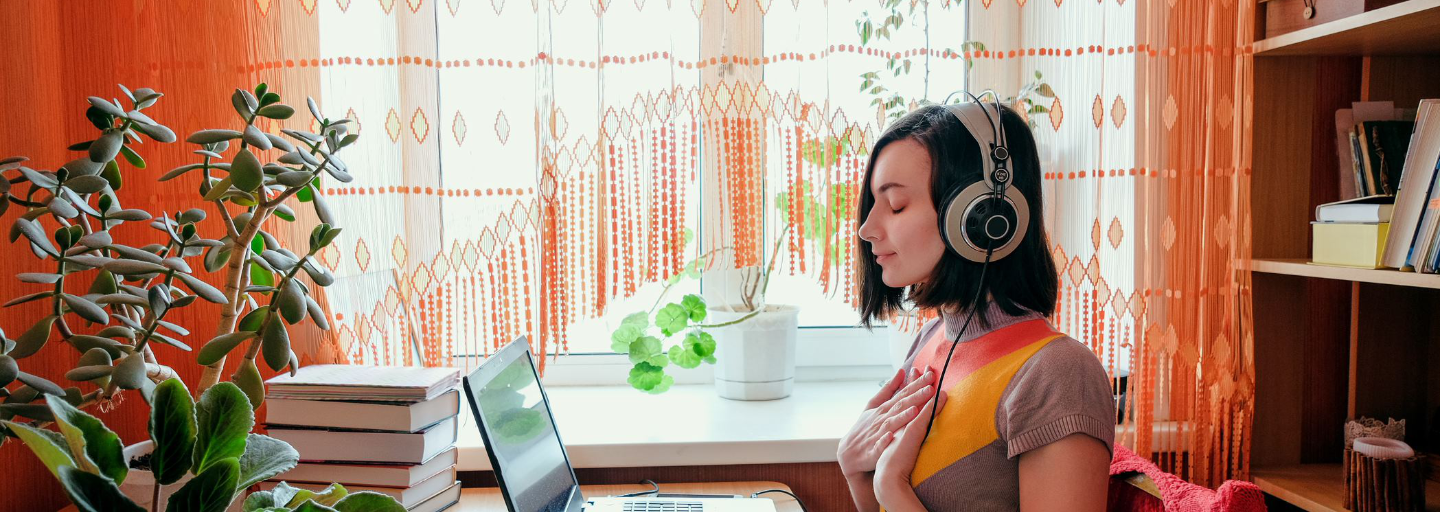
Exercise: Relax your thoughts (6:23)
Goal
You learn to let go of your thoughts by focusing on your breathing and how your body moves as you breathe.
Instructions
You practice focusing on different muscle groups and your breathing. You learn to let go of thoughts by anchoring yourself in the present moment and observing what is happening in your body.
Practice daily, and sometimes even several times a day
- Practice regularly for at least 2–3 weeks.
- Regular practice helps the benefits last.
You can listen to or read the exercise.
Tips for taking a quiet moment
Ease yourself into it
Resting can genuinely be difficult if you’re used to constantly doing and performing. The longer you have kept yourself busy all the time, the harder it may feel to pause and be idle.
However, everyone can develop their ability to pause.
- Give yourself the opportunity to get used to doing nothing.
Make use of natural pauses
- Could you wait for a bus or stand in line without scrolling on your phone?
- Leave your phone aside during bathroom breaks and meals.
Focus on the present moment
- Don’t dwell on the past or plan the future.
- Focus on what you see around you, what you hear, and what you smell. How are you breathing?
- Especially in stressful or tense situations, try to focus on observing the present moment and your surroundings.
Use past experiences
If you have previously succeeded in calming down well, what was the setting like then? What did you do and where? What did you not do?
- Use that memory to help bring back the skill.
Use body-based exercises
What kind of physical activity could help you calm down?
Calm yourself through breathing, and learn breathing techniques if needed.
Try mindfulness exercises, yoga, or meditation.
You can find information and things to try, for example, in the Mental Health Hub’s Relaxation and Breathing program (link at the end).
Schedule down time
- Think about how your leisure time affects your body and mind.
- Set aside time for activities that truly help you recover, such as exercise, spending time with loved ones, meeting friends, cultural experiences, and hobbies.
- Reduce or eliminate habits that disrupt your routine and healthy lifestyle.
Calm yourself through nature and animals
- Could you go for an evening walk in a forest or by a field?
- Where could you experience seasonal scents?
- Where can you find nearby animals?
You can find more ways to enjoy nature in the Mental Health Hub’s Well-being from Nature program (link at the end).