Self-help program
Recognize the good in yourself
Repeated experiences of failure, setbacks, and negative feedback can be discouraging. Your self-image may begin to form around them. The longer the challenges have lasted, the more likely you are to learn to see yourself as somehow wrong, incapable, or a bad person.
Why is a negative self-image harmful?
Your self-image affects your goals and choices. As a result, you may not dare to pursue your dreams, or you may give up easily.
Mistakes can feel threatening. They may also seem like proof of your own inadequacy. Someone else might experience the same mistake as neutral or even as an opportunity to learn something new.
Passing self-critical thoughts are very common. However, a persistent negative self-image can affect your entire life. At its worst, it can prevent you from living in a way that reflects who you are and your own values, even if you have the opportunity to do so.
Recognizing your own strengths
It’s important to learn to identify your own strengths.
When you understand yourself more broadly, you can remind yourself of your other qualities when one aspect of yourself feels disappointing.
In the following video (1:58), people with difficulty concentrating talk about their strengths. Many consider their strengths to include sociability, curiosity, and empathy.
Exercise a: Identifying strengths
Why?
A negative self-image can lower your mood and narrow your life. When you understand yourself more broadly, you may discover new perspectives and opportunities.
In this exercise, you will identify your own strengths.
How?
Write your answers in the fields below.
Don’t overthink it. Even if you feel embarrassment or awkwardness, continue with the task. Don’t let your inner critic silence you.
By doing this exercise, you will learn to recognize your own qualities and special skills in a way that improves your well-being.
Exercise B: What to do instead of blaming myself?
Why?
Dwelling on mistakes or other setbacks worsens how you feel and shapes your self-image. You can learn to treat yourself more kindly in situations where you feel inadequate.
How?
1. Become aware of and name your feelings
Pause and say to yourself, either silently or out loud, what you’re experiencing. For example: “This is an unpleasant situation. I feel really bad right now.”
Don’t draw further conclusions from your feelings.
2. Allow your feelings to be there for a moment
Practice tolerating discomfort. Remind yourself that this is a feeling and that it’s not dangerous. It’s okay to feel this way.
3. Strengthen your sense of safety
An unpleasant situation may make you feel like you’re in danger. This is an automatic reaction.
A sense of safety is important for treating yourself with kindness.
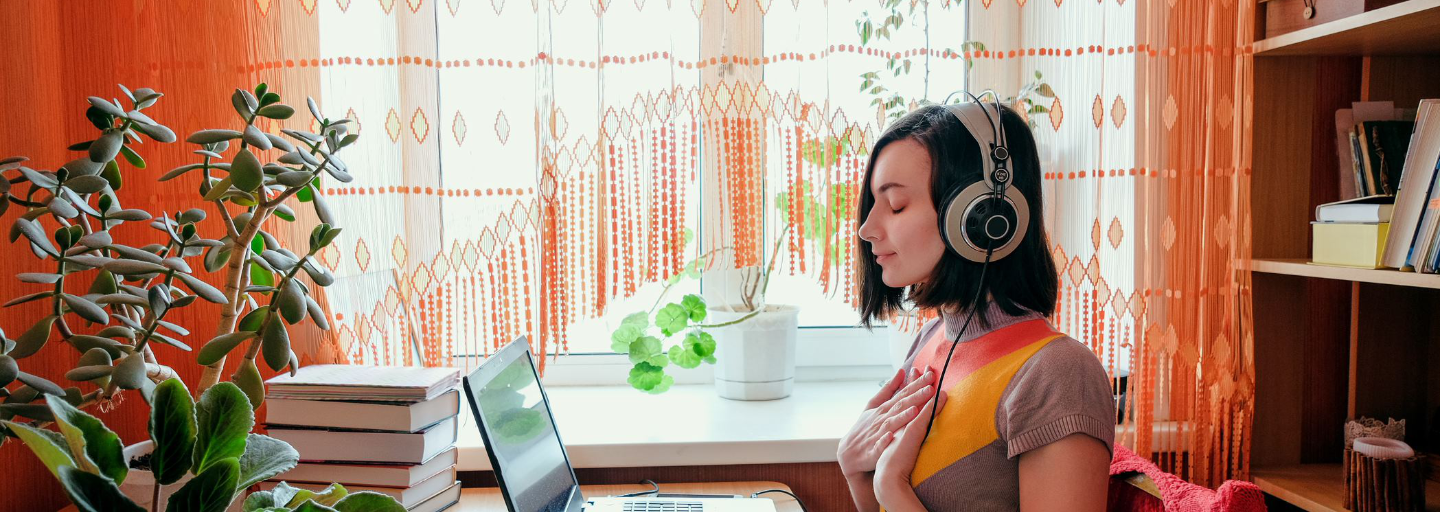
You can strengthen this sense of safety through bodily sensations. For example, focus on breathing calmly, gently touch your chest, or look into the distance.
4. Use compassionate words
For example: “I want to be kind to myself here and now.”
If words don’t come easily, think about what you would say to a loved one in the same situation. What would someone close to you say to you?
5. Take compassionate actions
Don’t let negative feelings drive your actions. Take a moment to think about what you want to focus on next. What would you do now? What would you advise a loved one to do in the same situation?
Tips for building more positive thinking
Criticize your actions, not yourself
If you forget your keys at home, don’t insult yourself as stupid or incapable.
- Try thinking: “Well, these things happen when you’re in a hurry—unfortunate, but it happens.”
Know your strengths
Especially in the face of setbacks, it can be uplifting to remind yourself of your strengths. Use the exercise above to explore them. There is something good in everyone!
Recognize your successes
Give yourself credit for completed tasks, situations that went well, and for getting things started.
- Learn to track your progress, for example by writing down what you do.
- Reward yourself even for small steps.
Do meaningful things
It’s important to regularly allow yourself moments of joy and success.
- Do things you enjoy and are good at on a regular basis.
Set realistic goals
You can dream about anything, but set goals step by step.
- Define your goals clearly.
- Think about the smallest possible step toward your goal.
- What would taking that step look like in your day?
Who you spend your time with
Think about how the people around you affect you and your choices.
- Who are you yourself around?
- Who can you trust?
- Who are you happy to help?
Balanced relationships sustain and energize all parties involved.
Live according to your values
- What matters most to you in life? For example, loved ones, career, nature, hobbies, animals, or art?
- How does your current life move you toward these things?
- What small actions would help you live more in line with your values?
- What could you do today?
- What would you like to achieve in your life?
Example
Dreams and current situation:
“My family is the most important thing to me. Animals are also close to my heart. I dream of a large house in the countryside. We live in a small place in the city, but we enjoy spending time outdoors with our dog. It feels like there’s never enough time for family.”
Small goals and improving the present:
“We could spend more time outdoors together as a family. We could travel to the countryside during holidays and visit petting farms on weekdays. I will plan something for our next free weekend today.”